
Embark on a journey through the architectural marvel that is Frank Lloyd Wright Taliesin West. Discover the history, vision, and unique features that make this desert masterpiece a must-see destination.
Delve deeper into the organic architecture principles, innovative design solutions, and lasting legacy of this iconic structure.
Taliesin West Overview
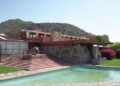
Taliesin West, located in Scottsdale, Arizona, is a masterpiece of architecture and design created by the renowned architect Frank Lloyd Wright. Built in 1937 as Wright's winter home and studio, Taliesin West served as a place for experimentation and innovation in architecture.Frank Lloyd Wright envisioned Taliesin West as a place where architecture could harmonize with the surrounding desert landscape.
He believed in organic architecture, where buildings should be in harmony with nature and reflect the environment in which they are situated.
Unique Architectural Features
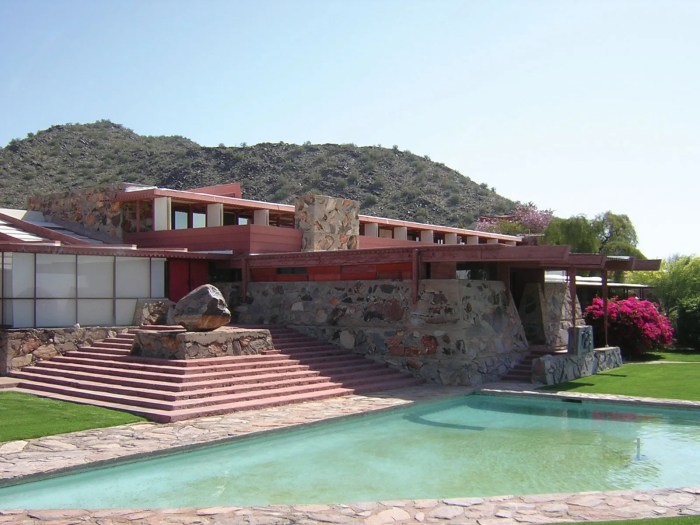
Taliesin West showcases several unique architectural features that set it apart. The use of local materials such as desert stone and redwood, along with the incorporation of low, horizontal lines that blend seamlessly with the desert terrain, create a sense of unity between the built environment and the natural landscape.The drafting studio, with its angled roof and expansive windows that frame views of the desert beyond, exemplifies Wright's vision of bringing the outside in.
The integration of indoor and outdoor spaces, as seen in the garden room and living room terraces, further blurs the boundaries between architecture and nature.
Relationship with the Desert Landscape
Taliesin West's design is deeply rooted in its desert surroundings. The use of natural materials and earth tones, along with the incorporation of water features and shaded walkways, creates a sense of tranquility and connection to the desert environment. The building's orientation takes advantage of natural light and ventilation, while the careful placement of windows and openings frames views of the desert landscape, creating a seamless transition between indoors and outdoors.Overall, Taliesin West stands as a testament to Frank Lloyd Wright's innovative approach to architecture and his profound respect for the natural world.
It continues to inspire architects and visitors alike with its timeless beauty and harmonious relationship with the desert landscape.
Architectural Design
Frank Lloyd Wright's architectural design at Taliesin West embodies the principles of organic architecture, seamlessly blending with its natural surroundings and emphasizing harmony between the built environment and nature.
Materials Used
The construction of Taliesin West utilized local materials such as desert rocks, sand, and redwood to create a connection with the Arizona landscape. Wright believed in using natural materials to enhance the organic feel of his designs, allowing the structures to become one with their environment.
Integration of Indoor and Outdoor Spaces
At Taliesin West, Wright masterfully integrated indoor and outdoor spaces to create a fluid transition between the two. The use of open courtyards, terraces, and large windows blurs the boundaries between the interior and exterior, allowing residents to feel connected to the surrounding desert landscape.
Natural Light and Ventilation
Natural light plays a crucial role in the architectural design of Taliesin West, with skylights and strategically placed windows allowing sunlight to filter into the interior spaces. Additionally, the use of cross-ventilation and thermal mass in the design helps to regulate indoor temperatures and promote airflow, creating a comfortable living environment while reducing the need for artificial lighting and cooling systems.
Functionality and Purpose
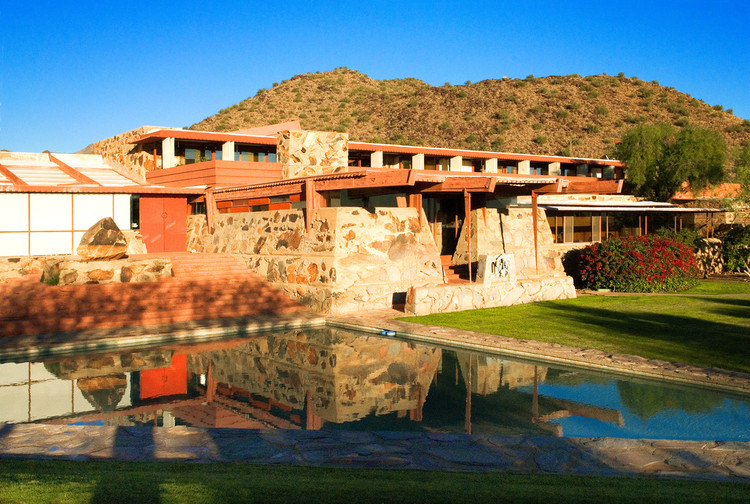
Taliesin West was designed by Frank Lloyd Wright not only as a winter home and studio for himself but also as a gathering place for his apprentices and students. The architectural design of Taliesin West was intended to reflect Wright's philosophy of organic architecture and harmonize with the surrounding desert landscape.
Intended Functions of Different Spaces
The different spaces within Taliesin West were carefully planned to serve various functions. The drafting studio, for example, provided a creative workspace for Wright and his apprentices to work on architectural drawings. The living room and dining areas were designed for social gatherings and discussions.
The private living quarters offered a retreat for relaxation and contemplation. The outdoor terraces and gardens allowed for connection with nature and outdoor activities.
Reflection of Frank Lloyd Wright’s Lifestyle and Work
The design of Taliesin West reflects Frank Lloyd Wright's lifestyle and work by seamlessly blending indoor and outdoor spaces, incorporating natural materials like stone and wood, and prioritizing functionality and aesthetics. The open floor plan and use of large windows create a sense of openness and connection to the desert surroundings, mirroring Wright's belief in architecture that is in harmony with nature
Spatial Organization and Impact on Functionality
The spatial organization of Taliesin West is carefully thought out to enhance functionality and flow. The interconnected spaces allow for easy movement between different areas, promoting collaboration and interaction among the residents and visitors. The centralized location of the drafting studio, dining areas, and living spaces ensures efficiency in daily activities and fosters a sense of community within the space.
Innovative Solutions for Desert Climate Challenges
To address the challenges of the desert climate, Taliesin West incorporates various innovative solutions. The use of natural ventilation and shading devices helps regulate indoor temperatures and reduce the need for artificial cooling. The orientation of the buildings and strategic placement of windows maximize natural light while minimizing heat gain.
Additionally, the use of local materials and earth tones in the design helps blend the structures seamlessly with the desert landscape, creating a sustainable and comfortable living environment.
Legacy and Influence
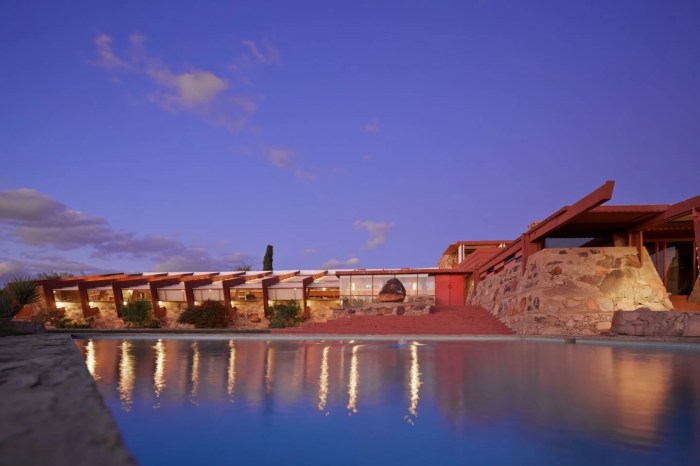
Taliesin West, as the winter home and studio of Frank Lloyd Wright, has left a lasting impact on contemporary architecture and continues to shape the discourse surrounding architectural design and innovation. Its legacy extends beyond its physical structure, influencing architects worldwide.
Architectural Innovation
Taliesin West's unique design elements, such as the use of local materials, integration with the surrounding desert landscape, and emphasis on natural light, have inspired countless architects to rethink traditional approaches to building design. The use of organic architecture principles at Taliesin West, where the structure seems to emerge naturally from its environment, has become a hallmark of contemporary sustainable architecture.
Preservation of Frank Lloyd Wright’s Legacy
Taliesin West serves as a living tribute to Frank Lloyd Wright's visionary approach to architecture. By preserving his original workspace and design philosophy, it ensures that future generations can study and learn from his work firsthand. This dedication to maintaining Wright's legacy has solidified Taliesin West's importance in architectural history.
Ongoing Significance in Architectural Discourse
The ongoing significance of Taliesin West in architectural discourse lies in its ability to provoke discussions on the relationship between architecture and nature, the importance of site-specific design, and the integration of art and functionality. Architects continue to study Taliesin West as a model for sustainable and innovative design, ensuring that its influence will endure for years to come.
Ultimate Conclusion
In conclusion, Frank Lloyd Wright Taliesin West stands as a testament to timeless design and innovation. Its influence on contemporary architecture and preservation of Wright's legacy continue to inspire and captivate architects and enthusiasts alike.
Top FAQs
What is the significance of Taliesin West?
Taliesin West represents Frank Lloyd Wright's vision of organic architecture blending harmoniously with the desert landscape.
How does Taliesin West integrate indoor and outdoor spaces?
Taliesin West seamlessly connects indoor and outdoor spaces through its design, allowing for a unique architectural experience.
What impact has Taliesin West had on contemporary architecture?
Taliesin West has influenced modern architecture through its innovative design solutions and organic architectural principles.