

Embark on a journey through the world of commercial architecture, where innovation meets functionality to shape our modern urban landscapes. From towering skyscrapers to sustainable office spaces, commercial architects play a pivotal role in bringing these visions to life.
In this exploration, we will delve into the intricacies of a commercial architect's responsibilities, the essential skills needed for success, the design process they follow, and the latest trends shaping the industry.
What is a Commercial Architect?
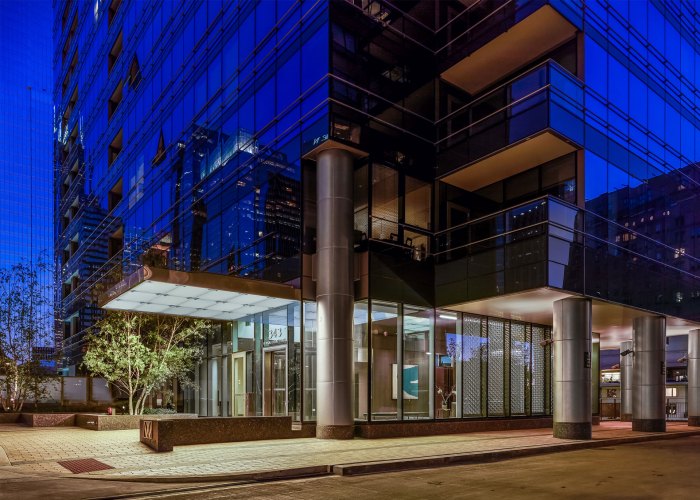
Commercial architects are professionals who specialize in designing and overseeing the construction of commercial buildings and structures. They are responsible for creating functional and aesthetically pleasing spaces that meet the needs of businesses and organizations.Unlike residential architects who focus on designing homes, commercial architects work on projects such as office buildings, retail stores, restaurants, hotels, schools, hospitals, and other non-residential buildings.
They must consider factors like zoning laws, building codes, accessibility requirements, and the specific needs of the business or organization they are designing for.
Examples of Commercial Projects
- Office Buildings: Commercial architects design office spaces that promote productivity, collaboration, and efficiency for businesses of all sizes.
- Retail Stores: From small boutiques to large department stores, commercial architects create layouts that attract customers and enhance the shopping experience.
- Hospitals: Commercial architects design healthcare facilities that prioritize patient care, safety, and functionality for medical staff.
- Hotels: Creating welcoming and comfortable spaces for guests, commercial architects design hotels that provide a memorable stay for travelers.
Skills and Qualifications
To become a successful commercial architect, one must possess a unique set of skills and qualifications that are essential for excelling in this field.
Essential Skills
- Strong design and drawing skills
- Attention to detail
- Excellent communication skills
- Problem-solving abilities
- Creativity and innovation
- Technical proficiency
- Project management skills
- Ability to work well in a team
Educational Qualifications and Certifications
To practice as a commercial architect, one typically needs to have the following educational qualifications and certifications:
- Bachelor's degree in Architecture
- Master's degree in Architecture (optional but beneficial)
- Licensure as a professional architect
- LEED certification for sustainable design practices
Role of Experience
Experience plays a crucial role in the career of a commercial architect as it helps in:
- Developing a deeper understanding of design principles and construction processes
- Building a portfolio of successful projects
- Gaining valuable insights into client needs and preferences
- Establishing credibility and reputation in the industry
Design Process
Commercial architects follow a systematic design process to bring their clients' visions to life while ensuring functionality, aesthetics, and compliance with building codes and regulations. This process involves collaboration with clients, engineers, contractors, and other professionals to create innovative and sustainable architectural solutions.
Creative Concept Development
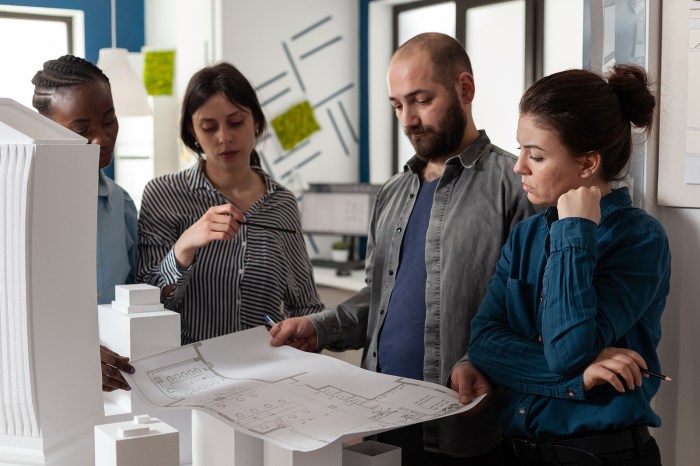
Commercial architects begin by meeting with clients to understand their needs, preferences, and budget constraints. They develop a creative concept based on these discussions, incorporating the client's branding and identity into the design. This phase may involve creating sketches, mood boards, and 3D models to visualize the project.
Design Development and Refinement
Once the initial concept is approved, commercial architects work on developing detailed drawings, plans, and specifications
Client Collaboration and Feedback
Throughout the design process, commercial architects regularly engage with clients to present updates, seek feedback, and address any concerns. They incorporate client input to refine the design further and ensure that the final project meets the client's expectations and requirements.
Sustainable Design Integration
Commercial architects prioritize sustainability in their projects by incorporating green building practices, energy-efficient systems, and environmentally friendly materials. They work with clients to implement sustainable design strategies that reduce the project's environmental impact and operating costs over time.
Construction Documentation
Once the design is finalized, commercial architects prepare detailed construction documentation, including drawings, specifications, and schedules. These documents serve as a guide for contractors during the construction phase, ensuring that the project is built according to the design intent.
Construction Administration
During construction, commercial architects oversee the progress on-site to ensure that the design is implemented correctly and according to specifications. They address any unforeseen challenges, coordinate with contractors and subcontractors, and make design adjustments as needed to achieve the desired outcome.
Trends in Commercial Architecture
Commercial architecture is constantly evolving to adapt to changing needs and technologies in the business world. Here we explore some of the current trends shaping the design of commercial spaces.
Adaptive Reuse
Adaptive reuse is a growing trend in commercial architecture, where existing structures are repurposed for new functions instead of being demolished. This sustainable approach not only preserves the character of older buildings but also reduces construction waste and energy consumption.
Green Building
Green building practices are becoming increasingly popular in commercial architecture, with a focus on energy efficiency, sustainable materials, and eco-friendly design. Incorporating features like green roofs, solar panels, and natural lighting can help reduce the environmental impact of commercial buildings.
Smart Technology Integration
The integration of smart technology in commercial architecture is revolutionizing the way buildings are designed and operated. From automated systems for lighting, heating, and security to smart sensors that monitor energy usage and occupancy, these technologies are improving efficiency and enhancing the overall user experience.
Impact of Changing Work Environments
The shift towards more flexible and collaborative work environments has influenced the design of commercial spaces. Open floor plans, communal areas, and flexible workstations are becoming increasingly common, promoting creativity, productivity, and employee well-being.
Innovative Commercial Architectural Designs
Some innovative commercial architectural designs have gained attention in the industry for their creativity and functionality. Examples include the Apple Park headquarters in Cupertino, California, with its futuristic circular design and sustainable features, and the Salesforce Tower in San Francisco, known for its striking glass facade and energy-efficient design.
Conclusive Thoughts
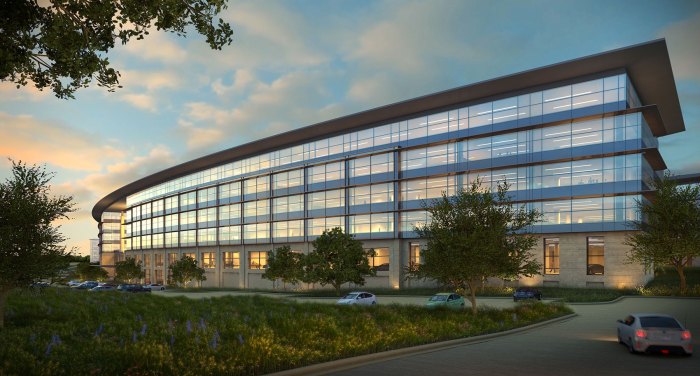
As we conclude our discussion on commercial architecture, it's evident that the blend of creativity and technical expertise is essential in this field. The impact of commercial architects extends far beyond physical structures, shaping the way we experience and interact with the spaces around us.
Essential Questionnaire
What sets a commercial architect apart from other types of architects?
A commercial architect specializes in designing structures for business and commercial purposes, focusing on functionality, aesthetics, and compliance with building regulations.
What educational qualifications are required to become a commercial architect?
Typically, a bachelor's or master's degree in architecture is required, along with licensure and certification.
How do commercial architects incorporate sustainable design practices?
Commercial architects integrate sustainable materials, energy-efficient systems, and environmentally friendly design principles to create eco-conscious buildings.