

With CRM property management taking center stage, this paragraph sets the scene for an enlightening journey into the world of efficient property management.
As we delve deeper, we will uncover the essential role CRM plays in enhancing relationships and optimizing operations in the property management realm.
Overview of CRM in Property Management
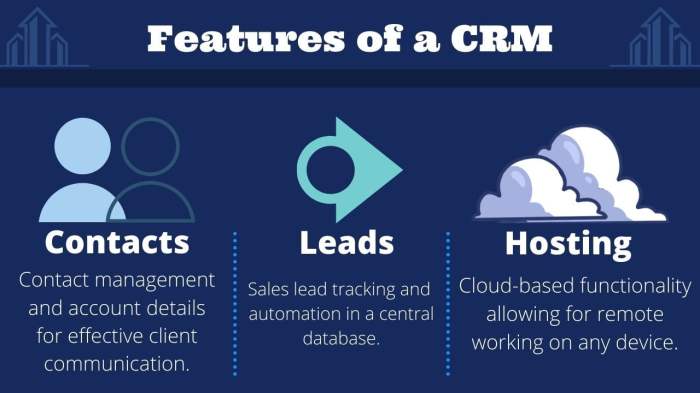
CRM (Customer Relationship Management) systems play a crucial role in property management by helping companies streamline operations, improve communication, and enhance relationships with tenants, owners, and vendors.
Benefits of CRM Systems in Property Management
- Efficient Communication: CRM systems allow property management companies to communicate effectively with tenants, owners, and vendors through automated messaging and notifications.
- Centralized Data Management: CRM systems centralize all relevant data, including lease agreements, maintenance requests, and financial information, making it easier to access and analyze information.
- Improved Customer Service: By having a comprehensive view of tenant preferences and requirements, property managers can provide personalized services and address issues promptly.
- Enhanced Reporting and Analytics: CRM systems offer reporting and analytics tools that enable property managers to track key performance metrics, identify trends, and make data-driven decisions.
Importance of CRM Tools in Relationship Management
- Managing Tenant Relationships: CRM tools help property managers track tenant interactions, respond to queries, and address concerns efficiently, leading to higher tenant satisfaction and retention.
- Engaging with Owners: CRM systems facilitate communication with property owners by providing real-time updates on property performance, financial reports, and maintenance activities.
- Collaborating with Vendors: Property management companies can use CRM tools to manage relationships with vendors, track service requests, and ensure timely completion of maintenance tasks, ultimately enhancing property maintenance and value.
Key Features of CRM for Property Management
CRM software tailored for property management comes with a range of essential features that help streamline operations and enhance communication within teams.
Streamlined Communication Processes
- CRM systems provide a centralized platform for property management teams to communicate effectively, ensuring that everyone is on the same page regarding tasks, deadlines, and tenant interactions.
- Real-time collaboration features allow team members to share updates, notes, and important information instantly, improving overall efficiency and productivity.
- Automated notifications and reminders help in prioritizing tasks and ensuring timely responses to tenant inquiries or maintenance requests.
Tracking Lease Agreements, Maintenance Requests, and Financial Transactions
- CRM tools enable property managers to track lease agreements, lease expirations, and rent payments seamlessly, reducing the risk of overlooked deadlines or missed payments.
- Maintenance requests can be logged, tracked, and assigned to appropriate team members efficiently, ensuring prompt resolution and tenant satisfaction.
- Financial transactions such as rent collection, invoicing, and expense tracking can be managed within the CRM system, providing a comprehensive overview of the property's financial health.
Implementing CRM in Property Management
Implementing a CRM system in a property management company can greatly improve efficiency, communication, and tenant satisfaction. It involves several key steps and considerations to ensure a successful integration.
Steps for Implementing CRM System
- Assess Needs: Identify the specific requirements and goals for implementing CRM in your property management company.
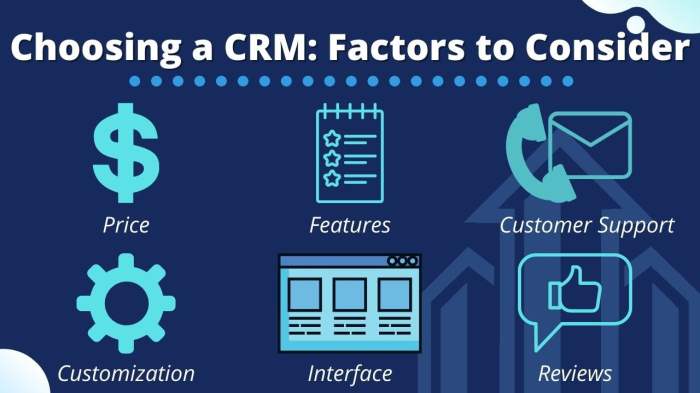
- Choose the Right CRM Software: Select a CRM system that aligns with your company's objectives and integrates well with your existing workflows.
- Customize and Configure: Tailor the CRM software to meet the unique needs of your property management business, including setting up workflows, automations, and reporting features.
- Data Migration: Transfer existing tenant and property data to the CRM system accurately to ensure seamless operations.
- Training and Adoption: Provide comprehensive training to staff on how to effectively use the CRM software for day-to-day tasks and tenant interactions.
- Monitor and Evaluate: Continuously monitor the performance of the CRM system and gather feedback from users to make necessary improvements.
Challenges and Best Practices
- Integration Challenges: Integrating CRM software with existing property management workflows can be challenging due to data synchronization issues and resistance to change. Best practices include involving key stakeholders in the process and gradually introducing the CRM system.
- Data Security: Ensuring the security and confidentiality of tenant information stored in the CRM system is crucial. Implementing encryption, access controls, and regular backups are essential best practices.
- User Adoption: Encouraging staff to embrace the CRM system may face resistance. Provide ongoing training, support, and incentives to promote user adoption and ensure maximum utilization of the software.
Tips for Training Staff
- Interactive Training: Conduct hands-on training sessions with real-life scenarios to help staff understand how to use CRM for property management tasks effectively.
- Role-based Training: Customize training based on each staff member's role and responsibilities within the property management company to ensure relevance and practical application.
- Continuous Support: Offer ongoing support, resources, and refresher courses to help staff overcome any challenges or questions they may have while using the CRM system.
Data Management and Analysis in CRM for Property Management
Effective data management is crucial for property management, and CRM systems play a key role in organizing and storing data related to properties, tenants, and maintenance tasks. By centralizing this information in one platform, property managers can easily access and update relevant details, ensuring seamless operations.
Role of Analytics in CRM Data Optimization
Analytics in CRM systems allow property managers to make informed decisions by analyzing data to optimize property management operations. By utilizing analytics tools, managers can identify trends, patterns, and areas for improvement, leading to more efficient processes and better tenant satisfaction.
Reports and Insights Generated by CRM Systems
CRM systems generate various reports and insights for evaluating property performance. These reports can include financial data, occupancy rates, maintenance histories, and tenant feedback. By analyzing these insights, property managers can make strategic decisions to enhance property value and overall management effectiveness.
Conclusive Thoughts
In conclusion, CRM emerges as a game-changer in property management, revolutionizing how companies engage with tenants, owners, and vendors.
Questions Often Asked
How does CRM benefit property management companies?
CRM systems enhance customer relationships, streamline communication, and optimize operational efficiency for property management companies.
What are some essential features of CRM software for property management?
Key features include tracking lease agreements, managing maintenance requests, and facilitating financial transactions within the property management framework.
What are the steps for implementing a CRM system in a property management company?
Steps include assessing needs, choosing the right CRM software, training staff, and integrating the system with existing workflows.