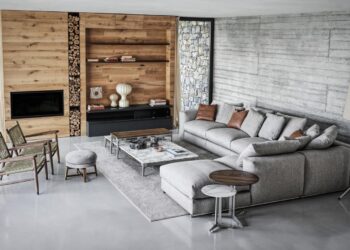

Office interiors are more than just aesthetic design; they hold the power to transform the work environment into a hub of creativity and productivity. This topic delves into the importance of well-designed office spaces, exploring how they can impact employee morale and attract top talent.
From the elements of office interior design to the latest trends shaping workspaces, this discussion offers valuable insights for creating functional and visually appealing offices.
Importance of Office Interiors
Office interiors play a crucial role in the overall work environment as they can significantly impact employee productivity, morale, and talent retention.
Boosting Employee Productivity and Morale
Well-designed office interiors can create a comfortable and inspiring atmosphere for employees, leading to increased productivity and higher morale. A thoughtfully planned workspace with proper lighting, ergonomic furniture, and appealing aesthetics can boost creativity and motivation among employees.
Impact on Attracting and Retaining Talent
The design of office interiors also plays a key role in attracting and retaining talent. A modern and attractive office space can serve as a selling point for potential employees, showcasing the company's values and culture. Additionally, a well-designed workspace can contribute to employee satisfaction and loyalty, reducing turnover rates.
Elements of Office Interior Design
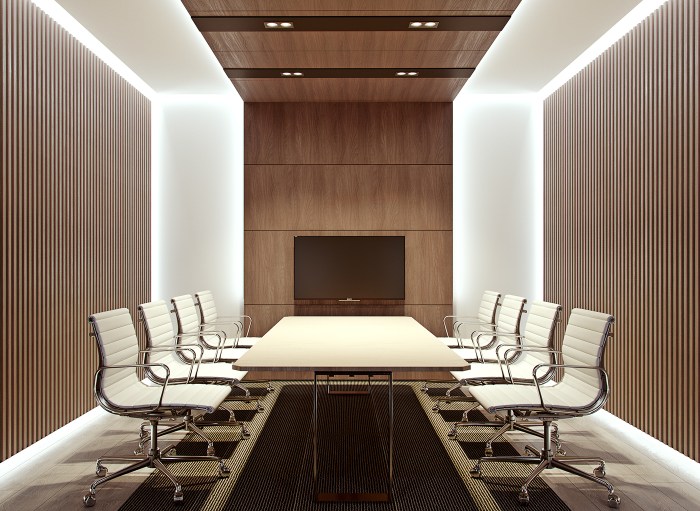
When it comes to creating a well-designed office space, several key elements play a crucial role in enhancing the overall look and feel of the environment. These elements include colors, lighting, furniture, layout, nature, art, and technology.
Colors
Colors have a significant impact on the mood and productivity of employees. Neutral tones like white, beige, and grey create a sense of calmness and professionalism, while pops of vibrant colors can add energy and creativity to the space.
Lighting
Proper lighting is essential for a productive work environment. Natural light is preferred, as it helps reduce eye strain and boost mood. Additionally, incorporating task lighting and ambient lighting can enhance different areas of the office.
Furniture
The choice of furniture can greatly influence the functionality and comfort of the workspace. Ergonomic chairs, adjustable desks, and collaborative seating arrangements can promote employee well-being and productivity.
Layout
The layout of the office should be carefully planned to optimize workflow and communication. Open floor plans encourage collaboration, while private areas allow for focus and concentration.
Nature
Bringing elements of nature into the office, such as plants and green walls, can improve air quality and create a sense of tranquility. Biophilic design has been shown to reduce stress and increase creativity.
Art
Artwork and decorative elements add personality and character to the office space. Incorporating local art, motivational quotes, and visually appealing pieces can inspire employees and create a welcoming atmosphere.
Technology
Integrating technology into the office design can streamline operations and enhance productivity. Smart lighting systems, digital displays, and collaborative tools help create a modern and efficient work environment.
Trends in Office Interior Design
Office interior design trends are constantly evolving to meet the changing needs and preferences of employees and businesses. Let's explore some of the current trends shaping the modern office space.
Open Layouts and Flexible Workspaces
One of the most significant trends in office interior design is the shift towards open layouts and flexible workspaces. This design approach promotes collaboration, communication, and a sense of community among employees
Biophilic Design
Biophilic design, which incorporates elements of nature into the built environment, is gaining popularity in office interiors. From green walls and indoor plants to natural light and organic materials, biophilic design aims to create a connection to the outdoors and improve overall well-being and productivity.
This trend reflects a growing awareness of the importance of incorporating nature into our daily work environments.
Sustainable and Eco-Friendly Interiors
With a focus on environmental responsibility, many companies are embracing sustainable and eco-friendly office interiors. This includes using recycled materials, energy-efficient lighting, and eco-conscious furniture choices. By reducing their carbon footprint and promoting sustainability, businesses can contribute to a healthier planet while creating a more attractive and efficient workspace for their employees.
Technology Integration
The influence of technology on modern office interior design trends cannot be understated. From smart lighting systems and integrated AV solutions to flexible workstations and virtual meeting spaces, technology is reshaping the way we work and interact within office environments.
As businesses continue to embrace digital transformation, office interiors are adapting to accommodate these technological advancements and enhance productivity and connectivity among employees.
Designing Functional Workspaces
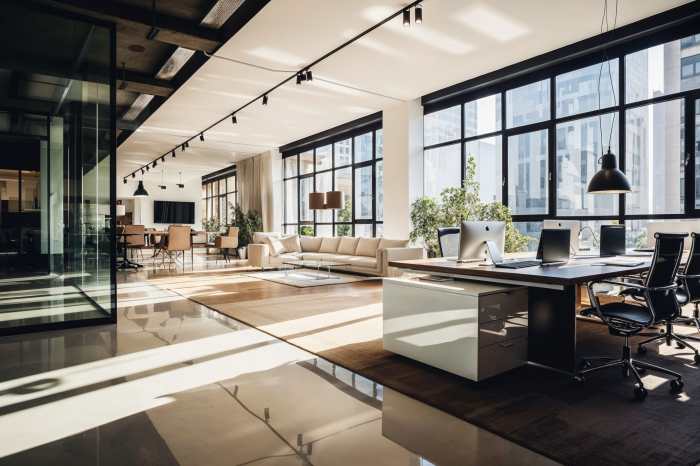
Creating functional workspaces within office interiors is essential for promoting productivity and employee well-being. By carefully designing the layout and choosing the right furniture and equipment, you can optimize the space to meet the needs of your team.
Importance of Ergonomic Furniture and Equipment
Ergonomic furniture and equipment play a crucial role in office design as they are specifically designed to support the health and comfort of employees. Investing in ergonomic chairs, desks, and accessories can help prevent musculoskeletal disorders and improve overall work performance.
Strategies for Optimizing Space Utilization and Storage
To make the most out of your office space, consider implementing smart storage solutions such as shelving units, cabinets, and multifunctional furniture. Utilize vertical space effectively and keep the workspace clutter-free to create a more organized and efficient environment for your team.
Conclusion
In conclusion, office interiors are not merely about style; they are a strategic tool for fostering a conducive work atmosphere. By embracing innovative trends and thoughtful design elements, organizations can optimize their office spaces to enhance both employee well-being and performance.
Answers to Common Questions
How do office interiors impact employee productivity?
Well-designed office interiors can improve focus, creativity, and overall job satisfaction, leading to increased productivity among employees.
What role does lighting play in office interior design?
Lighting is crucial in setting the mood and atmosphere of the workspace, influencing productivity and well-being. Natural light is especially beneficial for boosting morale.
Why is ergonomic furniture important in office interiors?
Ergonomic furniture promotes better posture, reduces the risk of musculoskeletal issues, and enhances employee comfort, ultimately contributing to a healthier work environment.
How can technology enhance office interiors?
Technology integration can streamline operations, improve communication, and create interactive workspaces that foster collaboration and innovation.
What are some sustainable practices in office interior design?
Implementing energy-efficient lighting, using eco-friendly materials, and incorporating green spaces are common sustainable practices in modern office interior design.