
Siding and window replacement cost sets the stage for this enthralling narrative, offering readers a glimpse into a story that is rich in detail with a casual formal language style and brimming with originality from the outset.
As we delve into the intricacies of siding and window replacement costs, a world of factors and considerations unfolds, shaping the financial landscape of these home improvement projects.
Factors influencing siding and window replacement cost
When considering the cost of siding and window replacement, several key factors come into play that can significantly impact the overall expenses. Factors such as material selection, labor costs, project scope, geographical location, market trends, and energy efficiency upgrades all play a crucial role in determining the final cost of the project.
Material Selection
The type of materials chosen for siding and window replacement can have a substantial impact on the overall cost. High-quality materials such as vinyl, fiber cement, or wood are typically more expensive upfront but may offer better durability and longevity, potentially reducing long-term maintenance costs.
On the other hand, opting for lower-cost materials may result in more frequent repairs or replacements in the future, leading to higher overall expenses.
Labor Costs
Labor costs are another significant factor influencing the total cost of siding and window replacement. Skilled labor is essential for proper installation, and hiring experienced professionals may come at a higher price. Additionally, factors such as project complexity, accessibility, and timeline can also affect labor costs.
It is crucial to budget for labor expenses accordingly to avoid any unexpected costs during the project.
Geographical Location and Market Trends
The cost of siding and window replacement can vary based on geographical location and current market trends. Areas with a higher cost of living or increased demand for construction services may have higher overall project expenses. Additionally, fluctuations in material prices and labor rates due to market trends can impact the final cost.
It is essential to research local market conditions and obtain multiple quotes to ensure a competitive price for the project.
Energy Efficiency Upgrades
Energy efficiency upgrades, such as installing insulated siding or energy-efficient windows, can influence the total cost of the project. While these upgrades may come with a higher upfront cost, they can lead to long-term savings on energy bills and potentially qualify for rebates or incentives.
Investing in energy-efficient solutions not only improves the comfort and value of your home but also contributes to reducing overall energy consumption and environmental impact.
Types of siding materials and their cost implications
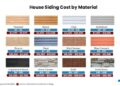
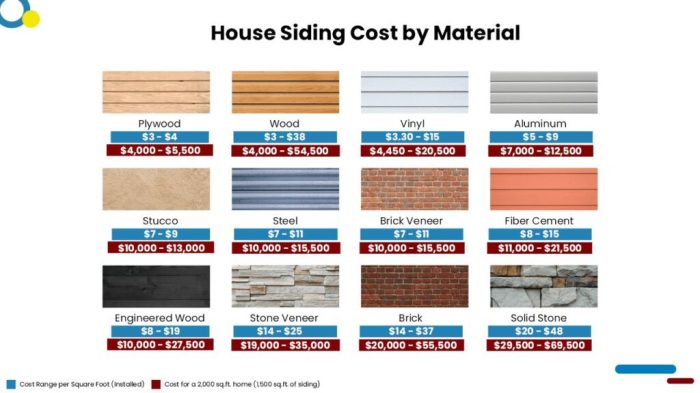
When considering siding materials for replacement, it's essential to understand the various options available and how they can impact the overall cost of the project.
Vinyl Siding
- Vinyl siding is one of the most affordable options on the market.
- It is low maintenance and comes in a wide range of colors and styles.
- While it may have a lower upfront cost, it may not be as durable as other materials.
Wood Siding
- Wood siding offers a traditional and natural look to a home.
- It is more expensive than vinyl but can last for many years with proper maintenance.
- However, wood siding may require more upkeep over time, which can add to the overall cost.
Fiber Cement Siding
- Fiber cement siding is a durable and long-lasting option.
- It can mimic the look of wood or masonry at a lower cost.
- While it has a higher initial investment, it requires minimal maintenance in the long run.
Metal Siding
- Metal siding is known for its strength and resistance to harsh weather conditions.
- It can be more expensive upfront compared to other materials.
- However, its longevity and low maintenance requirements can result in cost savings over time.
Window replacement options and associated costs
When it comes to window replacement, there are several options to choose from, each with its own associated costs. Factors like size, style, energy efficiency ratings, and materials can significantly impact the overall cost of the project.
Types of Window Replacement Options
- Single-Hung Windows: These windows have a fixed top sash and a bottom sash that moves vertically. They are a popular and cost-effective option.
- Double-Hung Windows: Both the top and bottom sashes on these windows are operable, allowing for better ventilation and easier cleaning.
- Casement Windows: These windows are hinged on one side and open outward with a crank mechanism. They provide excellent ventilation and a tight seal when closed.
- Picture Windows: Picture windows are large fixed windows that offer unobstructed views and plenty of natural light.
Factors Affecting Window Replacement Costs
- Size: Larger windows will generally cost more to replace than smaller ones.
- Style: More complex window styles, such as bay or bow windows, will come with a higher price tag.
- Energy Efficiency Ratings: Windows with higher energy efficiency ratings may cost more upfront but can lead to savings on energy bills in the long run.
Window Frame Materials and Costs
- Wood: Wood frames are aesthetically pleasing but tend to be more expensive and require more maintenance.
- Vinyl: Vinyl frames are affordable, low-maintenance, and energy-efficient, making them a popular choice for many homeowners.
- Aluminum: Aluminum frames are durable and lightweight but may not offer the best insulation compared to other materials.
- Fiberglass: Fiberglass frames are strong, durable, and low-maintenance, but they can also be on the pricier side.
Additional Features and Cost Implications
- Low-E Coatings: Low-emissivity coatings can help improve energy efficiency and reduce UV rays entering your home, but they may add to the overall cost.
- Multi-Pane Glass: Double or triple-pane glass windows offer better insulation and noise reduction but will also increase the cost of the replacement.
Budgeting tips and cost-saving strategies for siding and window replacement
When embarking on a siding or window replacement project, it's crucial to establish a budget to ensure you stay within your financial means. By implementing cost-saving strategies, you can make the most out of your investment while achieving the desired outcome.
Creating a Budget
- Start by assessing the scope of work needed for the siding and window replacement project. Consider factors like the size of your home, the type of materials required, and any additional customization.
- Research the average costs of siding and window materials in your area to get a realistic estimate of how much you'll need to budget for.
- Factor in additional expenses such as labor costs, permits, disposal fees, and any unforeseen circumstances that may arise during the project.
Cost-Saving Strategies
- Consider DIY installation for siding and window replacement if you have the necessary skills and tools. This can help you save on labor costs.
- Take advantage of seasonal discounts or promotions offered by suppliers or contractors. Timing your project during off-peak seasons can lead to cost savings.
- Explore the option of purchasing materials in bulk to avail of discounts or special offers from suppliers.
- Obtain multiple quotes from different contractors to compare prices and negotiate for the best deal. Don't hesitate to ask for discounts or price matching.
- Look into financing options such as home improvement loans or lines of credit to spread out the cost over time. Additionally, research available incentives or rebates for energy-efficient siding or windows to reduce overall expenses.
Epilogue
In conclusion, the journey through siding and window replacement costs reveals a tapestry of choices, influences, and strategies that can guide homeowners towards informed decisions and cost-effective solutions in enhancing their living spaces.
FAQs
What factors can impact siding and window replacement costs?
Key factors include material selection, labor costs, project scope, geographical location, market trends, and energy efficiency upgrades.
What are the different types of siding materials available?
Siding materials like vinyl, wood, fiber cement, and metal each have varying costs, durability, maintenance requirements, and aesthetic appeal.
What factors influence the cost of window replacement?
Window size, style, energy efficiency ratings, and frame materials like wood, vinyl, aluminum, and fiberglass all play a role in determining costs.
Are there any cost-saving strategies for these projects?
Practical tips include DIY installation, seeking seasonal discounts, buying materials in bulk, obtaining multiple quotes, negotiating with contractors, and exploring financing options and incentives.