
Delving into the world of home siding, this article aims to provide a comprehensive overview of the different materials, installation processes, maintenance tips, and cost comparisons. Whether you're a homeowner looking to revamp your property or simply curious about the options available, this guide has got you covered.
Types of Home Siding
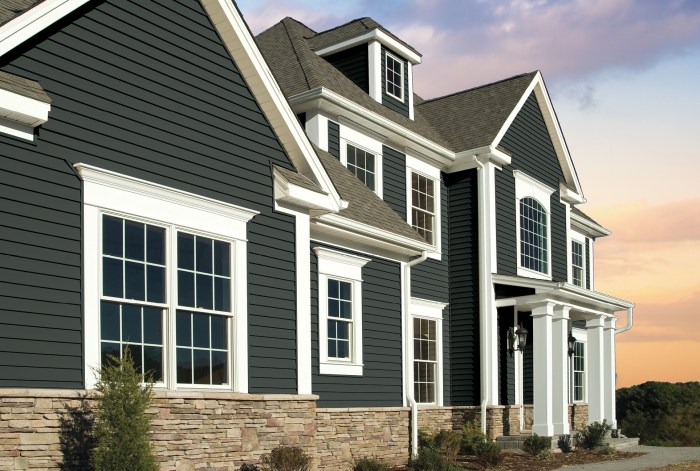
When it comes to choosing the right siding for your home, there are several options to consider. Each type of siding material has its own unique characteristics, pros, and cons. Let's take a closer look at some of the most popular types of home siding:
Vinyl Siding
Vinyl siding is one of the most common choices for homeowners due to its affordability and low maintenance. It comes in a variety of colors and styles, making it versatile for different home designs. However, vinyl siding may crack or fade over time, and it is not as durable as some other materials.
Wood Siding
Wood siding provides a classic and natural look to a home. It can be painted or stained in various colors and offers good insulation properties. On the downside, wood siding requires regular maintenance to prevent rot, pests, and weather damage.
It is also more expensive than vinyl siding.
Fiber Cement Siding
Fiber cement siding is a durable and low-maintenance option that mimics the look of wood or stucco. It is resistant to fire, insects, and rot, making it a popular choice for many homeowners. However, fiber cement siding is heavier and more labor-intensive to install compared to other materials.
Brick Siding
Brick siding is known for its timeless and elegant appearance. It is durable, fire-resistant, and requires minimal maintenance. However, brick siding is one of the most expensive options upfront, and it can be challenging to install or repair.
Factors to Consider
When choosing a siding material for your home, consider factors such as cost, maintenance requirements, durability, energy efficiency, and the architectural style of your home. It's essential to weigh the pros and cons of each type of siding to make an informed decision that meets your needs and budget.
Installation Process
Installing home siding involves a step-by-step process that requires specific tools and equipment. It is essential to understand the common challenges that may arise during installation and to have tips for a successful siding installation.
Tools and Equipment Required
- Siding panels
- Hammer
- Nails
- Tape measure
- Saw
- Ladder
- Level
- Caulk gun
Common Challenges During Installation
- Uneven walls
- Weather conditions
- Matching seams
- Trimming around windows and doors
- Working around obstacles
Tips for a Successful Siding Installation
- Properly prepare the surface before installation
- Follow manufacturer's instructions
- Start from the bottom and work your way up
- Overlap siding panels correctly
- Use a level to ensure straight installation
- Secure panels tightly but allow for expansion and contraction
- Caulk and seal joints to prevent water infiltration
Maintenance Tips
Regular maintenance is key to keeping your home siding looking great and functioning properly. Here are some maintenance tasks that should be performed for all home siding types, along with DIY tips for homeowners.
Cleaning
- Regularly wash siding with a mixture of mild soap and water to remove dirt, dust, and grime.
- Consider using a power washer for tougher stains, but be cautious not to damage the siding.
- Inspect and clean gutters and downspouts to prevent water damage and mold growth.
Inspection
- Inspect siding for any signs of damage, such as cracks, holes, or peeling paint.
- Check for any areas where moisture may be seeping in and address them promptly.
- Look for signs of insect infestations or mold growth and take necessary steps to address them.
Repairs
- Repair any damaged or loose siding panels to prevent further issues.
- Replace any missing or broken pieces to maintain the integrity of the siding.
- Touch up paint or sealant as needed to protect the siding from the elements.
Frequency
Regular maintenance tasks for home siding should be performed at least once or twice a year, depending on the climate and condition of the siding. However, it is recommended to inspect the siding more frequently, especially after severe weather events.
Importance
Regular maintenance of home siding helps prolong the lifespan of the siding, prevents costly repairs, and maintains the curb appeal of your home. By addressing issues promptly and keeping the siding clean and well-maintained, you can ensure its longevity and functionality.
Cost Comparison
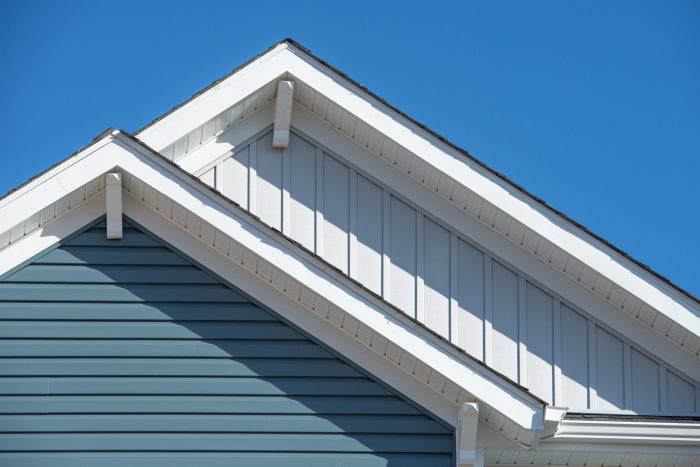
When it comes to choosing the right home siding material, cost is a significant factor to consider. The initial expenses, long-term maintenance costs, and overall value of each material play a crucial role in decision-making.To help you make an informed choice, let's break down the cost comparison of different home siding materials and explore ways to save money on siding installation.
Vinyl Siding
Vinyl siding is one of the most affordable options available in the market. The upfront cost of vinyl siding is relatively low compared to other materials, making it a popular choice for budget-conscious homeowners. Additionally, vinyl siding requires minimal maintenance, which can help save money in the long run.
Fiber Cement Siding
Fiber cement siding is a durable and low-maintenance option that offers a higher upfront cost compared to vinyl siding. However, its longevity and resistance to rot, pests, and fire make it a cost-effective choice in the long term. While the initial investment may be higher, the reduced maintenance and repair costs over time can result in significant savings.
Wood Siding
Wood siding provides a timeless and natural look to homes but comes with a higher initial cost and ongoing maintenance requirements. While the upfront expenses for wood siding may be more significant, regular maintenance such as painting and sealing can add to the long-term costs.
Homeowners considering wood siding should factor in these maintenance expenses when comparing costs.
Tips to Save Money on Home Siding
- Compare quotes from multiple contractors to ensure competitive pricing.
- Opt for standard colors and finishes to avoid customization costs.
- Consider DIY installation for materials that are easier to work with.
- Invest in high-quality materials that offer durability and longevity to reduce replacement costs in the future.
Consider these cost factors and savings tips when choosing the right home siding material for your property.
Outcome Summary

Wrapping up our discussion on all home siding, it's evident that choosing the right material and maintaining it properly can significantly impact the appearance and value of your home. By understanding the pros and cons of each type, following the installation tips, and staying on top of maintenance tasks, you can ensure your home remains beautiful and well-protected for years to come.
Common Queries
What factors should I consider when choosing a siding type?
Consider factors like durability, maintenance requirements, cost, and aesthetic appeal when selecting a siding type.
How often should maintenance tasks be performed on home siding?
Maintenance tasks for home siding should ideally be performed annually to ensure the longevity and appearance of the siding.
Are there ways to save money on home siding?
You can save money on home siding by comparing quotes from different contractors, opting for cost-effective materials, and considering DIY installation for certain types of siding.