
As green architecture takes center stage, this opening passage beckons readers into a world crafted with good knowledge, ensuring a reading experience that is both absorbing and distinctly original.
Green architecture is more than just a trend; it's a revolutionary approach to designing spaces that are environmentally friendly and sustainable for future generations. From sustainable materials to energy efficiency and biophilic design, this field offers a unique blend of innovation and eco-consciousness.
Let's delve into the fascinating realm of green architecture and discover how it is shaping the future of urban planning and construction.
What is Green Architecture?
Green architecture, also known as sustainable architecture, is an approach to building design that aims to minimize the negative environmental impact of buildings through efficiency and moderation in the use of materials, energy, and development space. This type of architecture focuses on creating environmentally-friendly structures that are energy-efficient, resource-efficient, and environmentally responsible.
Core Principles of Green Architecture
- Energy Efficiency: Green buildings are designed to reduce energy consumption and promote the use of renewable energy sources such as solar or wind power.
- Resource Efficiency: Sustainable buildings strive to use materials that are environmentally friendly, non-toxic, and sustainable.
- Water Efficiency: Green architecture incorporates systems to reduce water consumption and promote water conservation.
- Sustainable Site Planning: Designing buildings in a way that minimizes disruption to the natural environment and maximizes green space.
Importance of Sustainable Design in Architecture
Sustainable design in architecture is crucial for reducing the environmental impact of the built environment. By incorporating green building practices, architects can help mitigate climate change, reduce waste, conserve resources, and create healthier indoor environments for occupants.
Benefits of Incorporating Green Architecture into Urban Planning
- Improved Air Quality: Green buildings often feature efficient ventilation systems and natural lighting, leading to better indoor air quality.
- Reduced Energy Costs: Energy-efficient buildings can lower energy bills for occupants and reduce the overall demand for energy production.
- Enhanced Resilience: Green buildings are more resilient to environmental changes and disasters, contributing to the overall sustainability of urban areas.
- Community Well-being: Sustainable urban planning fosters a sense of community, promotes walkability, and enhances the overall quality of life for residents.
Sustainable Materials
When it comes to green architecture, the use of sustainable materials plays a crucial role in reducing the environmental impact of buildings. These materials are not only eco-friendly but also contribute to creating healthier and more energy-efficient spaces.
Examples of Sustainable Materials
- Bamboo: Known for its rapid growth and renewability, bamboo is a popular choice for flooring, furniture, and structural elements.
- Recycled steel: Using recycled steel reduces the need for new raw materials and minimizes waste in the production process.
- Straw bales: These agricultural byproducts are used as insulating materials in walls, providing excellent thermal performance.
- Cork: Harvested from the bark of cork oak trees, cork is a sustainable material used for flooring, wall coverings, and insulation.
Characteristics of Eco-Friendly Building Materials
- Durable: Sustainable materials are often long-lasting and require minimal maintenance, reducing the need for frequent replacements.
- Resource-efficient: These materials are sourced responsibly, using renewable or recycled resources to minimize environmental impact.
- Energy-efficient: Eco-friendly materials contribute to better insulation and energy performance of buildings, reducing heating and cooling needs.
- Non-toxic: Many sustainable materials are free from harmful chemicals, promoting healthier indoor air quality for occupants.
Environmental Impact Comparison
- Traditional materials, such as concrete and steel, have high carbon footprints due to energy-intensive production processes.
- Sustainable alternatives like bamboo and straw bales have lower embodied energy and carbon emissions, making them more environmentally friendly choices.
- By opting for sustainable materials, builders can significantly reduce the environmental impact of construction projects and promote a more sustainable future.
Energy Efficiency
Green architecture plays a crucial role in promoting energy efficiency in buildings by incorporating sustainable design practices and innovative technologies. By reducing energy consumption, green buildings help lower utility costs and minimize environmental impact.
Innovative Technologies for Energy Conservation
- Solar Panels: Solar photovoltaic panels convert sunlight into electricity, providing a renewable energy source for buildings.
- Green Roofs: Green roofs are covered with vegetation, helping to reduce heat absorption and improve insulation, thus lowering energy needs for heating and cooling.
- High-Efficiency HVAC Systems: Heating, ventilation, and air conditioning systems designed for energy efficiency use less energy to maintain comfortable indoor temperatures.
- LED Lighting: LED lights are more energy-efficient than traditional lighting options, consuming less electricity and lasting longer.
Passive Design Strategies for Energy Reduction
Passive design strategies focus on utilizing natural elements to reduce energy consumption in buildings. Examples include:
- Proper Building Orientation: Orienting buildings to maximize natural light exposure and minimize heat gain can reduce the need for artificial lighting and cooling.
- Insulation: Effective insulation helps maintain indoor temperatures, reducing the workload on heating and cooling systems.
- Natural Ventilation: Designing buildings to allow for natural ventilation can reduce the need for mechanical cooling systems, saving energy.
- Thermal Mass: Incorporating materials with high thermal mass helps regulate indoor temperatures by absorbing and releasing heat slowly.
Green Building Certification
Green building certification programs play a crucial role in promoting sustainable practices in the construction industry. These certifications provide a framework for assessing the environmental performance of buildings and encouraging the adoption of green building strategies. Two of the most widely recognized certification systems are LEED (Leadership in Energy and Environmental Design) and BREEAM (Building Research Establishment Environmental Assessment Method).
LEED Certification
LEED is a globally recognized green building certification program developed by the U.S. Green Building Council (USGBC). It evaluates buildings based on criteria such as energy efficiency, water conservation, materials selection, and indoor environmental quality. LEED certification levels range from Certified to Platinum, with each level requiring compliance with specific sustainability standards.
BREEAM Certification
BREEAM is a certification system developed by the Building Research Establishment (BRE) in the United Kingdom. Similar to LEED, BREEAM assesses buildings across categories like energy, water, materials, and health and well-being. BREEAM certification levels include Pass, Good, Very Good, Excellent, and Outstanding, with different requirements for each level.
Significance of Green Building Certifications
Obtaining green building certifications like LEED and BREEAM demonstrates a commitment to sustainable construction practices. These certifications not only validate a building's environmental performance but also enhance its market value, improve occupant health and comfort, and reduce operating costs. Green building certifications are increasingly becoming a standard requirement for sustainable projects, driving the adoption of eco-friendly building practices worldwide.
Biophilic Design
Biophilic design is an innovative approach that incorporates nature and natural elements into architectural spaces. This design philosophy aims to create environments that reconnect people with nature, improve well-being, and promote sustainability in building practices.
Benefits of Biophilic Design
- Enhanced well-being: Biophilic design has been shown to reduce stress, increase productivity, and improve overall health by integrating natural elements like plants, natural light, and water features into indoor spaces.
- Sustainability: By utilizing natural materials and passive design strategies, biophilic design reduces energy consumption and promotes environmentally friendly building practices.
- Better air quality: Incorporating plants and natural ventilation systems can help improve indoor air quality, creating a healthier and more comfortable living or working environment.
Examples of Biophilic Design Elements
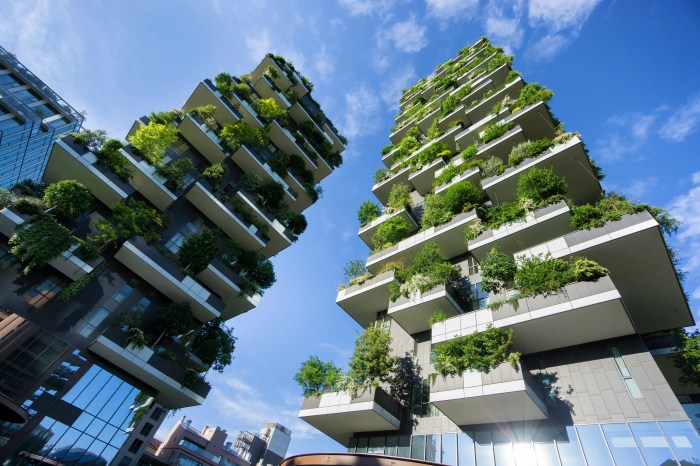
- Living green walls: Vertical gardens with live plants that not only add a touch of nature to the space but also help purify the air and regulate humidity levels.
- Daylighting: Maximizing natural light through the use of large windows, skylights, and light wells to reduce the need for artificial lighting and create a connection to the outdoors.
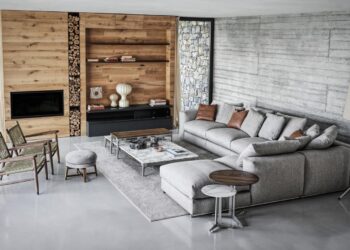
- Natural materials: Incorporating wood, stone, bamboo, and other sustainable materials in building construction to bring a sense of warmth and connection to the natural world.
Waste Reduction and Recycling
Reducing waste and promoting recycling are essential aspects of green architecture that contribute to the overall sustainability of a building. By implementing strategies for waste reduction and recycling, architects and builders can minimize the environmental impact of construction projects and promote a more circular economy.
Cradle-to-Cradle Design
Cradle-to-cradle design is a concept that focuses on creating products and buildings that can be fully recycled or repurposed at the end of their lifecycle. This approach aims to eliminate the concept of waste by ensuring that all materials used in construction can be reused or recycled indefinitely.
By designing buildings with cradle-to-cradle principles, architects can significantly reduce the amount of waste generated and promote a more sustainable construction industry.
Material Lifecycle Assessment
Material lifecycle assessment is a crucial tool in minimizing the environmental impact of construction projects. By analyzing the environmental impact of materials throughout their entire lifecycle, from extraction and production to use and disposal, architects can make informed decisions about which materials to use in their designs.
This assessment helps identify opportunities for waste reduction, recycling, and overall sustainability in building construction.
Final Review
In conclusion, green architecture presents a holistic approach to building design that prioritizes sustainability, energy efficiency, and harmony with nature. By incorporating green principles into urban planning and construction practices, we can create a more resilient and environmentally conscious built environment.
As we continue to explore the possibilities of green architecture, it's clear that this innovative field holds the key to a greener and more sustainable future for our planet.
Common Queries
What are the core principles of green architecture?
Green architecture focuses on sustainable design practices, energy efficiency, use of eco-friendly materials, and integration of nature into built environments.
What are some examples of sustainable materials used in green architecture?
Examples include bamboo, reclaimed wood, recycled metal, and low-VOC paints.
How does green architecture promote energy efficiency?
Green architecture utilizes passive design strategies, energy-efficient technologies, and renewable energy sources to reduce energy consumption in buildings.
What is the significance of obtaining green building certifications?
Green building certifications validate a project's sustainable design and construction practices, showcasing a commitment to environmental responsibility.
What is biophilic design and how does it relate to green architecture?
Biophilic design integrates natural elements into built environments to enhance occupant well-being, connection to nature, and overall sustainability of a space.