
Cost to replace aluminum siding sets the stage for this enthralling narrative, offering readers a glimpse into a story that is rich in detail and brimming with originality. From factors influencing costs to practical tips for saving money, this guide covers it all in a casual formal language style.
As we delve into the breakdown of average costs, explore comparisons with other siding materials, and provide cost-saving tips, readers will gain valuable insights into the world of aluminum siding replacement.
Factors affecting the cost to replace aluminum siding
When considering the cost to replace aluminum siding, several factors come into play that can influence the overall price. These factors include the size of the house, the quality of materials used, and the distribution of labor costs versus material costs.
Size of the house
The size of the house is a crucial factor in determining the cost of replacing aluminum siding. Larger houses will require more materials to cover the entire exterior, leading to higher material costs. Additionally, labor costs may also increase for larger houses due to the increased time and effort needed to complete the installation.
Quality of materials
The quality of materials used for replacing aluminum siding can significantly impact the overall cost. Higher-quality materials tend to be more expensive but offer better durability and longevity, potentially reducing maintenance costs in the long run. On the other hand, lower-quality materials may be more budget-friendly initially but could result in higher maintenance and replacement costs over time.
Labor costs vs. material costs
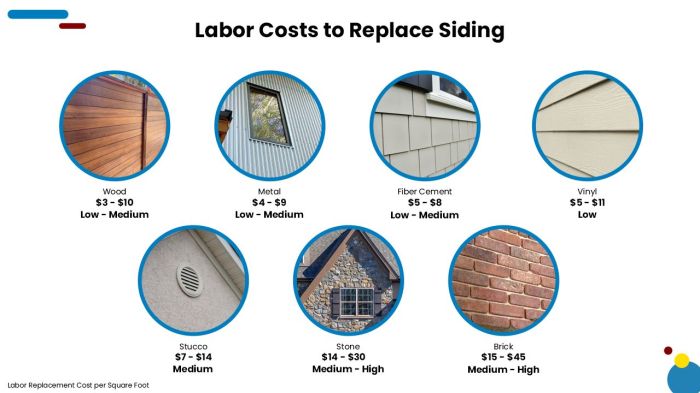
Labor costs and material costs play a significant role in the estimation of replacing aluminum siding. Labor costs can vary depending on the complexity of the installation, the experience of the workers, and the location of the house. In some cases, labor costs may outweigh material costs, especially if extensive preparation or customization is required.
Conversely, using more expensive materials may drive up the overall cost even if labor costs are relatively low.
Average cost breakdown for replacing aluminum siding
When it comes to replacing aluminum siding, the costs can vary depending on several factors. Here is a breakdown of the average costs involved in this process, along with some insights on how additional services and hidden costs can impact the total expenses.
Cost Breakdown
- Material Costs: The cost of the new aluminum siding itself can range from $2 to $8 per square foot, depending on the quality and style chosen.
- Labor Costs: Installation labor costs typically range from $2 to $5 per square foot, depending on the complexity of the project and the contractor's rates.
- Removal Costs: Removing the old aluminum siding can add an additional $1 to $2 per square foot to the total cost.
- Additional Services: Services like insulation or painting can increase the total cost by $1 to $3 per square foot, depending on the specific requirements.
Regional Variances
- Costs can vary based on the region or area where the replacement is taking place. Urban areas may have higher labor costs, while rural areas may have lower material costs.
- It's essential to get multiple quotes from local contractors to compare prices and ensure you're getting a fair deal based on your location.
Impact of Additional Services
- Adding insulation can improve energy efficiency but can also add to the overall cost. Make sure to consider the long-term savings when deciding on this additional service.
- Painting the new siding can enhance the curb appeal of your home but will also increase the upfront cost. Factor in the painting costs to your budget accordingly.
Hidden Costs
- Hidden costs like permit fees, disposal fees for old siding, or unexpected repairs can impact the total cost. It's crucial to have a contingency fund set aside to cover any unforeseen expenses that may arise during the replacement process.
- Properly budgeting for these hidden costs can help prevent financial surprises and ensure a smooth and successful aluminum siding replacement project.
Cost-saving tips for replacing aluminum siding
Replacing aluminum siding can be a significant investment for homeowners. Here are some cost-saving tips to help you manage the expenses effectively.
Consider DIY vs. Hiring Professionals
If you have the necessary skills and experience, opting for a DIY approach can save you a substantial amount of money. However, if you are not confident in your abilities, hiring professionals may be a better choice to avoid costly mistakes that could end up increasing the overall expenses.
Negotiate Prices with Contractors
When seeking quotes from contractors, don't hesitate to negotiate the prices. Compare offers from different professionals and see if there is room for negotiation. Some contractors may be willing to lower their prices or offer discounts, especially during off-peak seasons.
Regular Maintenance for Long-term Savings
Taking care of your aluminum siding through regular maintenance can extend its lifespan and prevent premature replacements. Simple tasks like cleaning, inspecting for damages, and making timely repairs can help you avoid costly replacements in the long run.
Comparison of costs between aluminum siding and other siding materials
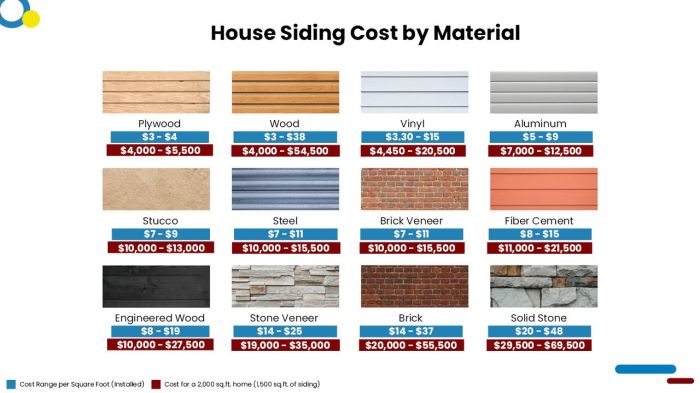
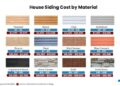
When comparing the costs of replacing aluminum siding with other popular siding materials like vinyl or fiber cement, several factors come into play. These factors determine whether aluminum siding is more or less expensive compared to other options.
Cost Analysis
Let's break down the cost analysis considering durability and maintenance requirements of different siding materials:
- Aluminum Siding:
Aluminum siding is initially more affordable compared to materials like fiber cement. It is lightweight, easy to install, and requires minimal maintenance over time. However, it may dent or scratch more easily than other materials.
- Vinyl Siding:
Vinyl siding is a popular choice due to its low cost and minimal maintenance requirements. While it may not be as durable as fiber cement, it is a cost-effective option for homeowners on a budget.
- Fiber Cement Siding:
Fiber cement siding is known for its durability and resistance to elements. It is more expensive upfront but requires minimal maintenance and can last for decades, making it a cost-effective choice in the long run.
Long-Term Cost-Effectiveness
Considering the long-term cost-effectiveness of aluminum siding compared to other options, it is essential to weigh the initial investment against the durability and maintenance costs over time. While aluminum siding may be cheaper upfront, materials like fiber cement can offer better longevity and require fewer repairs, ultimately leading to potential savings in the long term.
Conclusive Thoughts
In conclusion, navigating the costs associated with replacing aluminum siding can be a daunting task. However, armed with the knowledge gained from this guide, homeowners can make informed decisions and ensure a smooth and cost-effective siding replacement process.
Answers to Common Questions
What are the main factors influencing the cost of replacing aluminum siding?
The main factors include the size of the house, quality of materials, labor costs, and any additional services required.
How can homeowners reduce the overall cost of replacing aluminum siding?
Homeowners can reduce costs by considering DIY options, negotiating prices with contractors, and ensuring regular maintenance to avoid premature replacements.
Is aluminum siding more cost-effective in the long run compared to other siding materials?
While initial costs may vary, aluminum siding's durability and low maintenance requirements can make it a cost-effective option in the long term.