
Delving into the realm of hardiebacker exterior siding, one discovers a versatile and durable option for both residential and commercial buildings. This article will shed light on the unique features, installation process, maintenance tips, and design possibilities associated with hardiebacker siding.
As we delve deeper into the world of hardiebacker exterior siding, readers will gain a comprehensive understanding of its advantages and practical considerations.
Introduction to Hardiebacker Exterior Siding
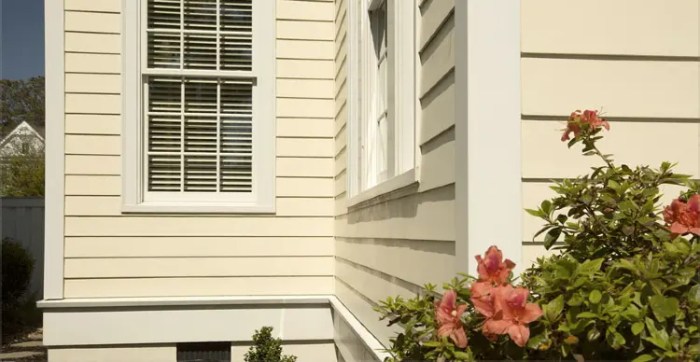
Hardiebacker exterior siding is a type of siding material made from fiber cement, known for its durability and resistance to various weather conditions. It is commonly used in both residential and commercial buildings due to its many benefits.
Primary Features of Hardiebacker Exterior Siding
- Water and Moisture Resistance: Hardiebacker siding is resistant to water damage, making it ideal for areas with high humidity or frequent rain.
- Fire Resistance: Hardiebacker siding is non-combustible, providing an added layer of safety to the building.
- Durability: Hardiebacker siding is known for its long-lasting performance, requiring minimal maintenance over the years.
Benefits of Using Hardiebacker Exterior Siding
- Enhanced Curb Appeal: Hardiebacker siding comes in a variety of colors and textures, allowing for customization to suit the building's aesthetics.
- Increased Property Value: The durability and low maintenance requirements of Hardiebacker siding can enhance the overall value of a property.
- Energy Efficiency: Hardiebacker siding can contribute to better insulation, leading to potential energy savings for the building.
Durability and Longevity of Hardiebacker Exterior Siding
Compared to other siding materials such as wood or vinyl, Hardiebacker exterior siding is known for its superior durability and longevity. It can withstand harsh weather conditions and resist damage from pests, ensuring a long-lasting investment for any building.
Installation of Hardiebacker Exterior Siding
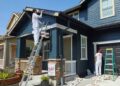
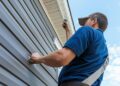
Installing Hardiebacker exterior siding is a crucial part of enhancing the durability and aesthetics of your home. Here is a step-by-step guide on how to install Hardiebacker siding, along with a comparison to traditional siding methods.
Step-by-Step Guide
- Prepare the surface by ensuring it is clean, dry, and free of any debris.
- Measure and cut the Hardiebacker siding panels to fit the dimensions of your exterior walls.
- Install flashing around windows, doors, and corners to prevent water infiltration.
- Secure the Hardiebacker siding panels to the wall using corrosion-resistant screws.
- Leave a small gap between panels for expansion and contraction.
- Apply caulking to seal joints and corners for added protection against moisture.
- Finish the installation by painting or sealing the Hardiebacker siding according to manufacturer's recommendations.
Tools and Materials Needed
- Hardiebacker siding panels
- Corrosion-resistant screws
- Flashing
- Caulking
- Tape measure
- Saw for cutting panels
- Screwdriver or drill
- Paint or sealant
Comparison with Traditional Siding Methods
Installing Hardiebacker exterior siding offers several advantages over traditional siding methods. Hardiebacker siding is more durable and resistant to rot, insects, and fire. Additionally, the installation process is straightforward and can be completed using basic tools. Unlike traditional siding materials like wood, Hardiebacker siding requires less maintenance and is designed to withstand harsh weather conditions, making it a cost-effective and long-lasting option for homeowners.
Maintenance and Care of Hardiebacker Exterior Siding

Proper maintenance is essential to ensure your Hardiebacker exterior siding remains in top condition for years to come. By following these care tips, you can keep your siding looking great and protect your investment.
Cleaning Hardiebacker Exterior Siding
Regular cleaning is key to maintaining the appearance of your Hardiebacker siding. Here are some tips for cleaning:
- Use a mixture of mild soap and water to gently scrub the siding.
- Rinse thoroughly with clean water to remove any soap residue.
- Avoid using abrasive cleaners or tools that could damage the surface.
Preventing Mold and Mildew
Mold and mildew can be common issues with exterior siding, but you can take steps to prevent them on your Hardiebacker siding:
- Ensure proper ventilation around your home to reduce moisture buildup.
- Regularly inspect your siding for any signs of mold or mildew and address them promptly.
- Consider applying a mold-resistant coating to provide an extra layer of protection.
Design Options with Hardiebacker Exterior Siding
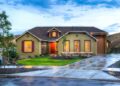
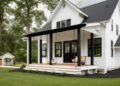
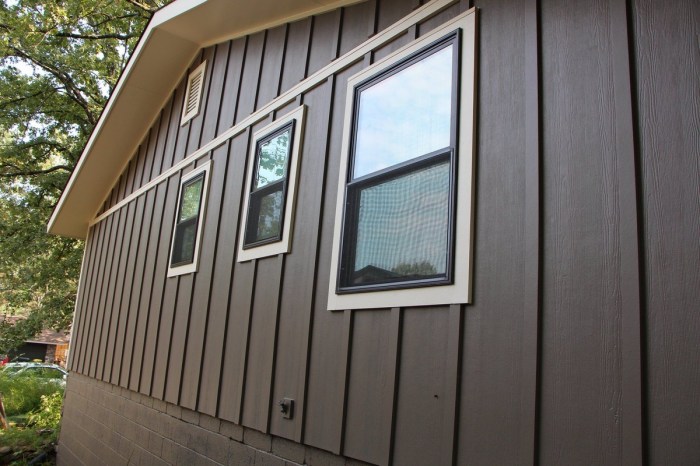
When it comes to design options with Hardiebacker exterior siding, the possibilities are endless. From different styles to a wide range of colors, Hardiebacker siding offers versatility and durability to enhance the overall aesthetic of any building.Hardiebacker siding comes in various styles such as lap siding, vertical siding, shingle siding, and panel siding.
Each style can create a different look and feel, allowing for customization based on the architectural design of the building.
Color Options
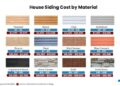
- Hardiebacker siding is available in a multitude of colors, ranging from traditional neutrals to bold and modern hues.
- The ColorPlus Technology used in Hardiebacker siding ensures long-lasting color that resists fading, chipping, and cracking over time.
- Homeowners can choose colors that complement the surrounding landscape or make a statement with a pop of color.
Enhancing Aesthetics
- Hardiebacker siding can enhance the overall aesthetic of a building by adding texture, depth, and visual interest to the exterior.
- It can mimic the look of natural materials such as wood or stone, providing a high-end finish without the maintenance requirements.
- By combining different styles and colors of Hardiebacker siding, creative design ideas can be implemented to achieve a unique and personalized look.
Creative Design Ideas
- Mixing lap siding with shingle siding to create a modern yet timeless exterior.
- Using contrasting colors for trim and siding to highlight architectural features.
- Incorporating panel siding in a vertical orientation for a contemporary and sleek appearance.
Ultimate Conclusion
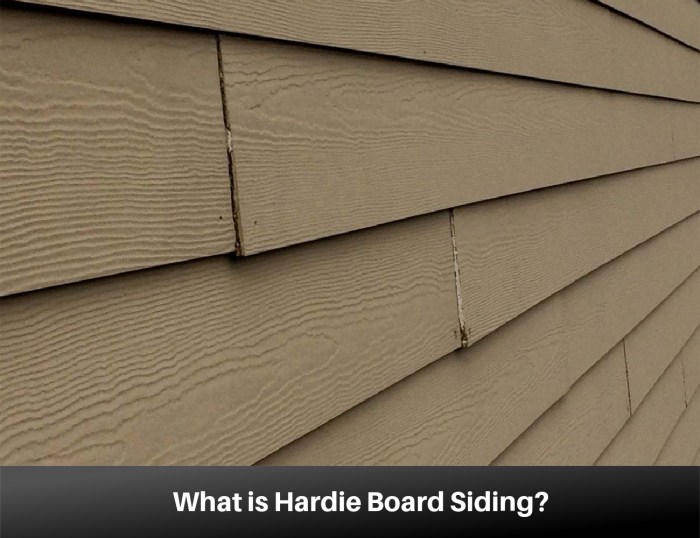
In conclusion, hardiebacker exterior siding stands out as a reliable and visually appealing choice for any construction project. With its longevity, customizable design options, and easy maintenance, it's a top contender in the realm of siding materials.
Q&A
What are the primary features of Hardiebacker exterior siding?
Hardiebacker exterior siding is known for its durability, resistance to weather elements, and versatility in design options.
How does the installation process of Hardiebacker siding differ from traditional siding methods?
The installation of Hardiebacker siding typically involves specific tools and techniques to ensure a secure and long-lasting application, unlike traditional methods.
What maintenance is required to keep Hardiebacker siding in good condition?
Regular cleaning and inspections are necessary to maintain Hardiebacker siding, along with addressing any repairs promptly to prevent issues.
Can Hardiebacker siding prevent common problems like mold or mildew?
With proper care and maintenance, Hardiebacker siding can effectively prevent issues like mold or mildew, making it a reliable choice for exterior surfaces.