
Siding companies near me lay the foundation for a remarkable transformation, offering a perfect blend of style and functionality. As you delve into the world of home improvement, these local experts are poised to elevate the aesthetics and practicality of your property with their expertise and guidance.
Explore the different types of siding materials, discover essential tips for choosing the right siding company, unravel the intricacies of the installation process, and learn how to maintain your siding for long-lasting appeal.
Importance of Siding Companies
When it comes to home improvement projects, siding companies play a crucial role in enhancing the overall look and functionality of your property. Whether you are renovating, repairing, or building a new home, the expertise of siding professionals can make a significant difference in the outcome.
Enhancing Aesthetics and Functionality
Siding companies near you have the knowledge and skills to recommend the best siding materials and designs that complement your home's architecture and style. By choosing the right siding, you can enhance the curb appeal of your property while also improving its energy efficiency and protection against the elements.
Benefits of Hiring Local Siding Companies
- Convenience: Local siding companies are easily accessible and can provide quick responses to your inquiries and concerns.
- Support: By hiring a local siding company, you can benefit from personalized service and ongoing support even after the project is completed.
- Knowledge of Local Regulations: Local siding companies are familiar with the building codes and regulations in your area, ensuring that the installation process meets all requirements.
Types of Siding Materials
When it comes to siding materials, there are several options available for homeowners to choose from. Each type of siding material has its own unique characteristics, benefits, and considerations to keep in mind. Let's explore some of the most common siding materials used by siding companies.
Vinyl Siding
Vinyl siding is one of the most popular choices among homeowners due to its affordability and low maintenance requirements. It is available in a wide range of colors and styles, making it a versatile option for different home designs. Vinyl siding is also durable and resistant to rot, fading, and insect damage.
Wood Siding
Wood siding provides a natural and timeless look to a home, adding warmth and character. While wood siding is aesthetically pleasing, it requires more maintenance compared to other siding materials. Regular painting or staining is necessary to protect the wood from rot, mold, and pests.
Wood siding can be more expensive than vinyl but can add significant value to a home.
Fiber Cement Siding
Fiber cement siding is a durable and low-maintenance option that offers the look of wood without the drawbacks. It is resistant to rot, fire, and pests, making it a long-lasting choice for homeowners. Fiber cement siding is available in a variety of colors and styles, providing versatility and customization options for different home designs.
Metal Siding
Metal siding, such as aluminum or steel, is known for its durability and strength. It is resistant to fire, rot, and pests, making it a low-maintenance option for homeowners. Metal siding is available in different finishes and can be a good choice for modern or industrial-style homes.
However, metal siding can be prone to dents and scratches, requiring occasional maintenance to keep it looking its best.Overall, the choice of siding material will depend on various factors such as budget, maintenance preferences, and desired aesthetics. Consulting with a reputable siding company can help homeowners make an informed decision based on their specific needs and requirements.
Choosing the Right Siding Company
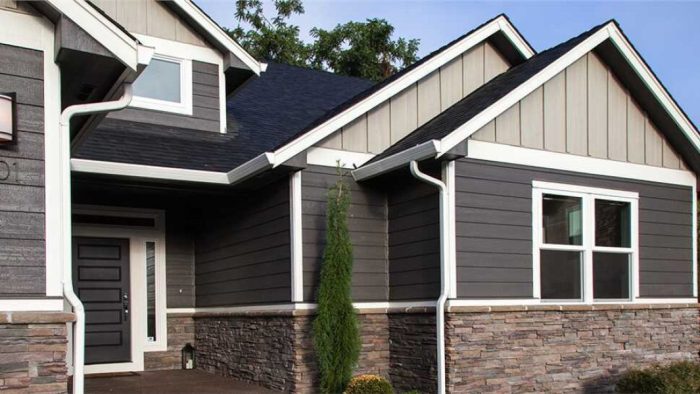
When it comes to choosing a siding company for your home, it's crucial to do your research and select a reputable contractor that will provide quality service. Here are some tips to help you evaluate and choose the right siding company near you.
Checking Licenses, Insurance, and Reviews
Before hiring a siding contractor, make sure to check if they are properly licensed and insured. A valid license ensures that the company meets the required standards and regulations in your area. Additionally, having insurance protects you from any liability in case of accidents or damages during the project.
Reading reviews from previous customers can also give you insight into the company's reputation and quality of work.
Factors to Consider
- Experience: Look for a siding company with years of experience in the industry. Experienced contractors are more likely to deliver high-quality results and handle any challenges that may arise during the project.
- Warranties: Inquire about the warranties offered by the siding company. A reputable contractor should provide warranties for their workmanship and materials, giving you peace of mind in case issues arise after the installation.
- Customer Service: Pay attention to how the siding company communicates with you and addresses your concerns. Good customer service is essential for a smooth and successful siding project.
Siding Installation Process

When it comes to the siding installation process, there are several key steps involved that ensure a successful outcome. From preparation to finishing touches, each step plays a crucial role in the overall quality and longevity of the siding.
Preparation and Measurement
Before any siding installation can begin, siding companies must first prepare the property. This involves removing any existing siding, repairing any damaged areas, and ensuring the surface is clean and smooth. Once the preparation is complete, precise measurements are taken to ensure the siding panels fit perfectly.
Cutting and Installing Siding
Once the siding panels have been measured, they are cut to the appropriate size. This step requires precision to ensure a seamless fit. The siding is then installed onto the property, starting from the bottom and working upwards. Proper techniques are used to secure the siding in place, such as nailing or snapping the panels together.
Insulation, Sealing, and Finishing
Proper insulation is a crucial step in the siding installation process. It helps improve energy efficiency and protect the property from the elements. Siding companies also pay close attention to sealing gaps and joints to prevent moisture intrusion. Finally, finishing touches, such as corner pieces and trim, are added to complete the look and ensure a professional finish.
Maintaining Siding
Proper maintenance of siding is essential to ensure its longevity and quality. By following regular maintenance practices, you can prevent common issues and keep your siding looking great for years to come.
Regular Cleaning and Inspection
Regularly cleaning your siding can help prevent dirt, mold, and mildew from building up and causing damage. Use a mild detergent and water to scrub the siding gently, and rinse thoroughly with a hose. Inspect the siding for any signs of damage or wear, such as cracks, holes, or peeling paint.
Painting and Repairs
If you notice any areas of your siding that are damaged or in need of a touch-up, it's important to address them promptly. Repair any cracks or holes with a suitable filler, and sand down any rough areas before repainting.
Choose a high-quality exterior paint that is designed for the specific type of siding you have.
Addressing Common Issues
Common issues that may arise with siding include warping, fading, and moisture damage. To address warping, ensure that your siding is properly installed and ventilated to prevent moisture buildup. To prevent fading, consider using UV-resistant paint or siding materials. For moisture damage, inspect your siding regularly for leaks or gaps that may allow water to seep in.
Last Recap
In conclusion, siding companies near you bring a touch of professionalism and artistry to your doorstep, ensuring that your home stands out with its unique charm and durability. Trust in the expertise of local siding companies to enhance your property and elevate your living experience.
Answers to Common Questions
What are the common siding materials used by siding companies?
Siding companies typically work with materials such as vinyl, wood, fiber cement, and metal.
How can I evaluate and select reputable siding companies near me?
When choosing a siding company, consider factors like experience, warranties, customer service, and checking for licenses, insurance, and reviews.
What are some common maintenance practices for preserving siding quality?
Regular cleaning, painting, and addressing any issues promptly are key to maintaining the quality and lifespan of your siding.